

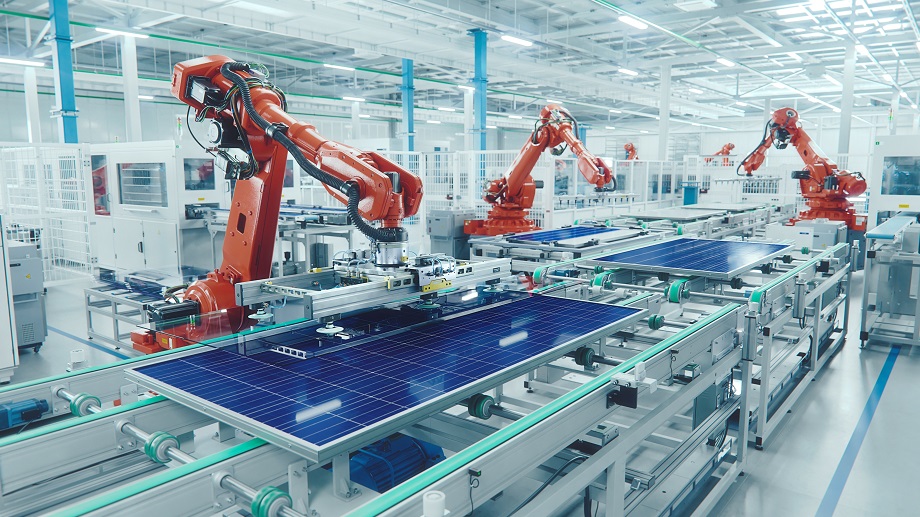
Global manufacturing has undergone a radical transformation over the past decade, shifting away from manual assembly lines toward hyper-connected, automated industrial ecosystems. This evolution, frequently referred to as industry four point zero, leverages advanced robotics, artificial intelligence, and internet of things sensors to redefine how physical goods are produced. Modern automation is no longer restricted to repetitive, heavy lifting on massive automotive floors. Instead, it permeates every tier of production, offering precision, flexibility, and operational efficiency. Surviving in a competitive international marketplace requires manufacturing enterprises to embrace automated workflows, optimizing everything from factory floor machining to supply chain logistics.
The Evolution from Mechanical to Intelligent Automation
Industrial automation began decades ago with rigid, hard-automated machinery designed to repeat single, straightforward tasks millions of times. These early systems lacked adaptability and required extensive downtime whenever a product design changed.
The modern manufacturing landscape introduces flexible automation powered by software and machine learning. Today’s robotic arms can switch between different product specifications within seconds, guided by advanced computer vision systems that inspect parts in real time. This shift allows manufacturers to pursue mass customization, producing tailored goods at the same cost efficiency previously reserved for mass-produced, identical items.
Precision and Quality Control on the Factory Floor
Human fatigue, momentary lapses in concentration, and environmental distractions inevitably lead to human error in manual manufacturing environments. Automated systems eradicate these variables, delivering unprecedented precision and consistency.
-
Computer Vision Inspection: High-speed cameras integrated with artificial intelligence scan components at micro-levels, identifying microscopic fractures, surface blemishes, or alignment errors that human eyes miss.
-
Micron-Level Tolerance: Computer numerical control machinery and robotic assembly units execute cuts and welds with exact mathematical precision, reducing raw material waste and scrap rates.
-
Real-Time Feedback Loops: Automated quality control systems detect recurring calibration drifts immediately, pausing production lines to adjust machinery before large batches of defective parts are produced.
Predictive Maintenance and Minimizing Unplanned Downtime
Machinery failure represents one of the most expensive disruptions in industrial manufacturing. Unplanned equipment shutdowns halt production lines, delay fulfillment schedules, and incur massive emergency repair costs.
Modern automated facilities utilize predictive maintenance strategies powered by internet of things sensors attached to critical motors, bearings, and hydraulic presses. These sensors continuously monitor vibration frequencies, thermal output, and acoustic signatures. Machine learning algorithms analyze these data streams to predict component degradation weeks before an actual failure occurs. Maintenance teams can then service or replace parts during scheduled downtime windows, ensuring continuous operational flow and maximizing equipment lifespan.
Supply Chain Integration and Smart Inventory Management
Factory automation extends far beyond the physical shop floor, integrating deeply into inventory management and warehouse logistics. In a modern automated manufacturing plant, production speed matches supply availability dynamically.
-
Autonomous Mobile Robots: Self-guided vehicles transport raw materials and finished goods across warehouse floors, optimizing internal logistics without human intervention.
-
Automated Storage and Retrieval: High-density vertical storage systems track inventory down to individual serial numbers, automatically staging components for assembly lines just in time.
-
Supplier Synchronization: Automated procurement platforms monitor inventory thresholds and trigger reorder requests with approved vendors instantly when raw material supplies dip below safety margins.
The Changing Nature of the Manufacturing Workforce
A common misconception is that automation completely eliminates human labor in industrial settings. While routine manual tasks are absorbed by machines, automation actually shifts the workforce toward higher-value cognitive and technical roles.
Operating, programming, maintaining, and repairing advanced industrial robots requires specialized technical skills. Forward-thinking manufacturers invest heavily in internal upskilling programs, training traditional assembly workers to become robotics technicians, data analysts, and system supervisors. This human-machine collaboration elevates shop floor productivity and creates safer working environments by removing personnel from hazardous environments involving heavy lifting and toxic chemical handling.
Energy Efficiency and Sustainable Manufacturing
Environmental sustainability has become a critical operational metric for modern industrial facilities. Regulatory pressures and rising energy costs demand aggressive resource optimization across all production phases.
Automated energy management systems monitor power consumption across every machine in real time, shutting down idle equipment and optimizing power draws during peak utility hours. Furthermore, precise automated material dosing reduces raw resource waste, while digital simulation tools allow engineers to test factory layouts and thermodynamic efficiency virtually before building physical infrastructure, significantly shrinking the environmental footprint of industrial operations.
Conclusion
Automation is the defining pillar of modern manufacturing competitiveness. By transforming rigid assembly lines into adaptive, intelligent ecosystems, automation drives unprecedented levels of precision, predictive maintenance, and supply chain agility. Manufacturers that successfully integrate advanced robotics, artificial intelligence, and smart sensor networks position themselves to meet surging global demands efficiently, ensuring long-term profitability and market resilience.
Frequently Asked Questions
How does collaborative robotics differ from traditional industrial automation robots?
Traditional industrial robots operate inside heavy safety cages to protect human workers from high-speed collisions, whereas collaborative robots feature built-in force-sensing technology that allows them to work safely alongside human operators without physical barriers.
What are the primary upfront barriers for small manufacturers adopting automation?
Small manufacturers often face high initial capital expenditure costs for specialized machinery, integration complexities with legacy software systems, and a shortage of internal technical talent required to program and maintain advanced robotic units.
How do digital twins impact modern manufacturing automation?
A digital twin is a virtual replica of a physical factory floor or product line that allows engineers to simulate automation workflows, test adjustments, and identify bottlenecks in a risk-free digital environment before implementing changes in the physical plant.
Can legacy manufacturing equipment be retrofitted with modern automation sensors?
Yes, legacy machinery can be successfully retrofitted with external internet of things vibration, temperature, and power-monitoring sensors, allowing older mechanical systems to benefit from predictive maintenance analytics without requiring complete replacement.
What role does edge computing play in automated manufacturing plants?
Edge computing processes data locally on the factory floor rather than sending every metric to a distant cloud server, ensuring zero-latency decision-making for high-speed robotic maneuvers and real-time safety shutoff systems.
How does industrial cybersecurity differ in automated manufacturing environments?
Industrial cybersecurity focuses heavily on protecting operational technology networks and supervisory control systems from malicious cyber attacks that could physically damage machinery or disrupt critical national infrastructure, going beyond standard enterprise data security.
